

We’ve all been there—staring at a stack of stunning sarees tucked away in the back of the wardrobe. Maybe it’s a heavy Banarasi that feels a bit too traditional for your current style, or a delicate silk belonging to your mother that has a few small tears but a thousand memories.
Instead of letting these masterpieces gather dust, why not transform them? Upcycling sarees is more than just a DIY project; it’s a way to merge sustainability with sentimental style.
Here is how you can turn six yards of history into a contemporary wardrobe.
1. The Royal Lehenga
If you have a saree with a heavy border or an ornate pallu, a Lehenga is the perfect transformation.
- The Secret: Use the main body of the saree for the kalis (panels) of the skirt to create maximum volume.
- The Pro Move: Save the most intricate part of the pallu to craft a matching sleeveless blouse or a high-waisted waistband.
2. The Modern Maxi Skirt
For sarees with repeating patterns—like Pochampally, Ikat, or floral Chiffons—consider a structured maxi skirt.
- Style Tip: A pleated A-line skirt made from a stiff silk saree looks incredibly high-fashion when paired with a simple white button-down shirt or a denim jacket.
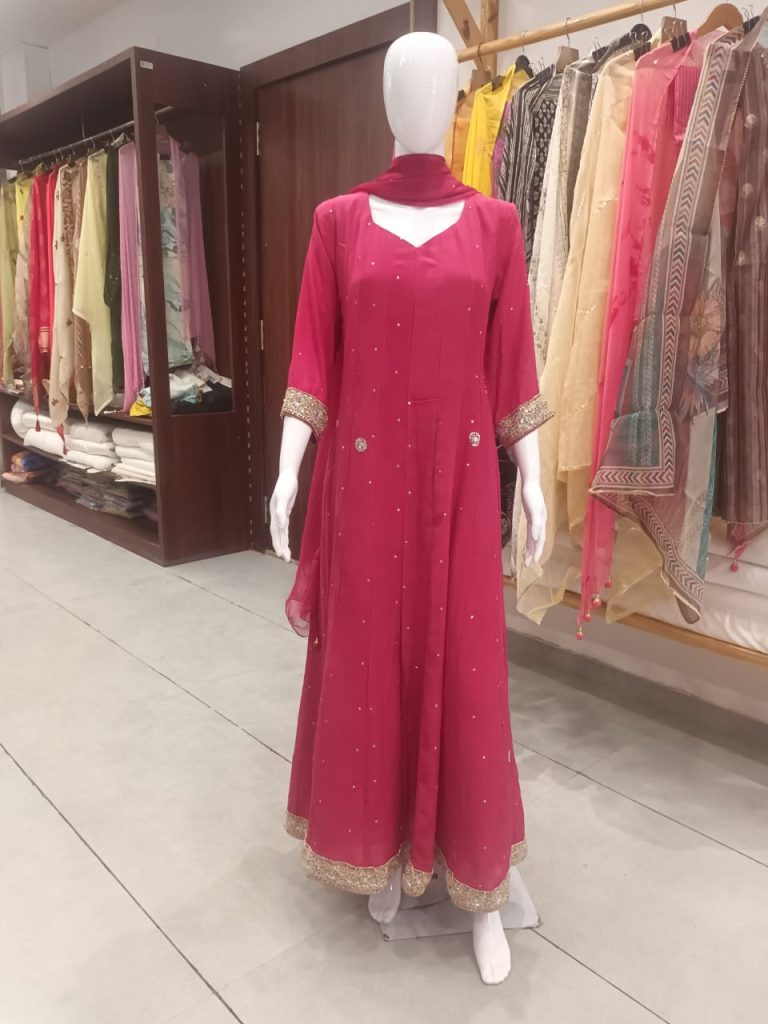
3. The Floor-Length Anarkali
Flowy fabrics like Georgette, Crepe, and Organza are destined to become Anarkalis. Because sarees provide so much length, you can achieve a massive “ghera” (flare) that is hard to get with standard store-bought fabric.
- Design Note: Use the saree’s original border at the hem of the Anarkali to give it a weighted, professional finish.
4. The Statement Dupatta
Sometimes, a saree is damaged in the center, but the ends are pristine. Cut out the best sections to create a heavy statement dupatta.
- How to Wear: Pair a rich, silk-upcycled dupatta with a completely plain, solid-colored cotton suit. It instantly elevates your look from simple to “boutique-ready.”
Before You Cut: 3 Must-Know Tips
- The “Light Test”: Hold your old saree up to the light. If the fabric looks “thin” or “brittle” in certain spots, avoid using those sections for high-stress areas like armholes or waistbands.
- Lining is Everything: Old sarees are often delicate. Always use a high-quality lining (like cotton or shantoon) to give your new garment strength and prevent the silk from tearing.
- Dry Clean First: Always dry clean the saree before you take the scissors to it. This ensures the fabric is settled and the colors won’t bleed onto your new lining.
Final Thoughts
Every saree tells a story. By upcycling them, you aren’t just making a new dress—you’re carrying a piece of heritage into your daily life. It’s ethical, it’s unique, and it’s undeniably stylish.
What’s hiding in your closet? Do you have a vintage saree that you’re nervous about cutting into? Or have you already created something magical? Share your stories in the comments below—I’d love to see your creations!