

Chikankari – The Timeless Elegance of Hand Embroidery
Introduction – A Whisper of Elegance
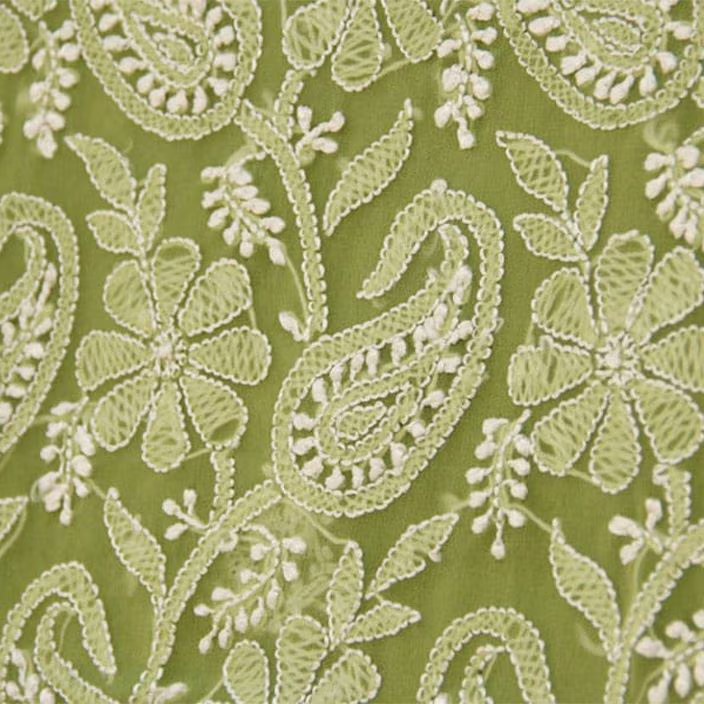
Hand embroidery features neat knots and stitches on the back without loose floating threads or machine-woven stiffness.
Graceful, intricate, and steeped in centuries-old tradition — Chikankari embroidery is more than just an art form; it’s poetry woven in thread. Originating in the royal courts of Lucknow, this hand embroidery continues to charm the modern woman who values elegance, comfort, and heritage.
At Reemaz, we believe in keeping such traditional crafts alive, blending them with sustainable fabrics to create pieces that feel just as good as they look.
The Origins of Chikankari
Chikankari traces back to the Mughal era, with history crediting its introduction to Nur Jahan, wife of Emperor Jahangir. Initially done on fine muslin, it was considered a symbol of royalty. Over time, artisans adapted it to suit a variety of fabrics — cotton, georgette, linen, and silk — ensuring it stayed relevant in every era.
The Craftsmanship – A Slow, Beautiful Journey
A single Chikankari kurti can take days — sometimes weeks — to complete.
The process involves:
1. Design Printing – Wooden blocks dipped in washable blue ink trace delicate motifs onto the fabric.
2. Hand Embroidery – Artisans stitch over the patterns using more than 13 types of stitches, including Bakhiya (shadow work), Phanda (knot), Murri (grain-shaped stitch), and Jaali (netting).
3. Washing & Finishing – The fabric is washed to remove the tracing and bring out the pristine beauty of the embroidery
Each stitch is done by hand, meaning no two pieces are ever truly identical — a true mark of handcrafted luxury.
4. Motifs – Nature Captured in Thread
From blooming roses and jasmines to graceful peacocks and paisleys, Chikankari motifs are inspired by nature’s poetry. They carry a soft elegance that makes the embroidery equally suitable for casual wear like chikankari kurta and festive occasions.
5. Types of Chikankari Work
White-on-White (Traditional) – The classic Lucknowi style on airy fabrics like cotton and muslin. one of the favourite chikankari kurti for women
Coloured – Pastel or vibrant thread for a modern twist.
Chikan with Zardozi or Sequins – A luxurious fusion perfect for weddings and festive outfits.
6. Chikankari in Today’s Fashion
In the age of fast fashion, Chikankari stands for slow, mindful creation. Designers, stylists, and conscious consumers are bringing it back into the spotlight — styling it as breezy kurtis, elegant sarees, or statement dupattas.
At Reemaz, we take this heritage craft a step further by pairing it with organic cotton, hemp, and linen. The result? Garments that are not just beautiful, but also kind to the planet.
7. Why Wholesale Buyers Love Chikankari
Timeless appeal — Works for festive and daily wear collections alike.
Versatile pricing — Can be crafted in budget-friendly cotton or premium silk.
Customisable — From colour to motif, designs can be tailored to match market trends.
We offer bulk customisation for boutiques, designers, and retailers — making it easier for you to offer something truly unique to your customers.
Caring for Chikankari Garment
Hand wash gently in cold water.
Use mild detergents.
Dry in shade to prevent fading.
A Heritage Worth Wearing
Owning Chikankari is like owning a piece of history. It is soft on the skin, gentle on the eyes, and timeless in style. Whether you’re dressing for a casual lunch or a festive gathering, a Chikankari piece always makes you feel effortlessly elegant.
At Reemaz, we are proud to be part of this legacy, creating Chikankari garments that marry traditional artistry with sustainable fashion values.